Login
Log in if you have an account
Register
By creating an account with our store, you will be able to move through the checkout process faster, store multiple addresses, view and track your orders in your account, and more.
Create an accountWhen Should You Have Your Bike Serviced?
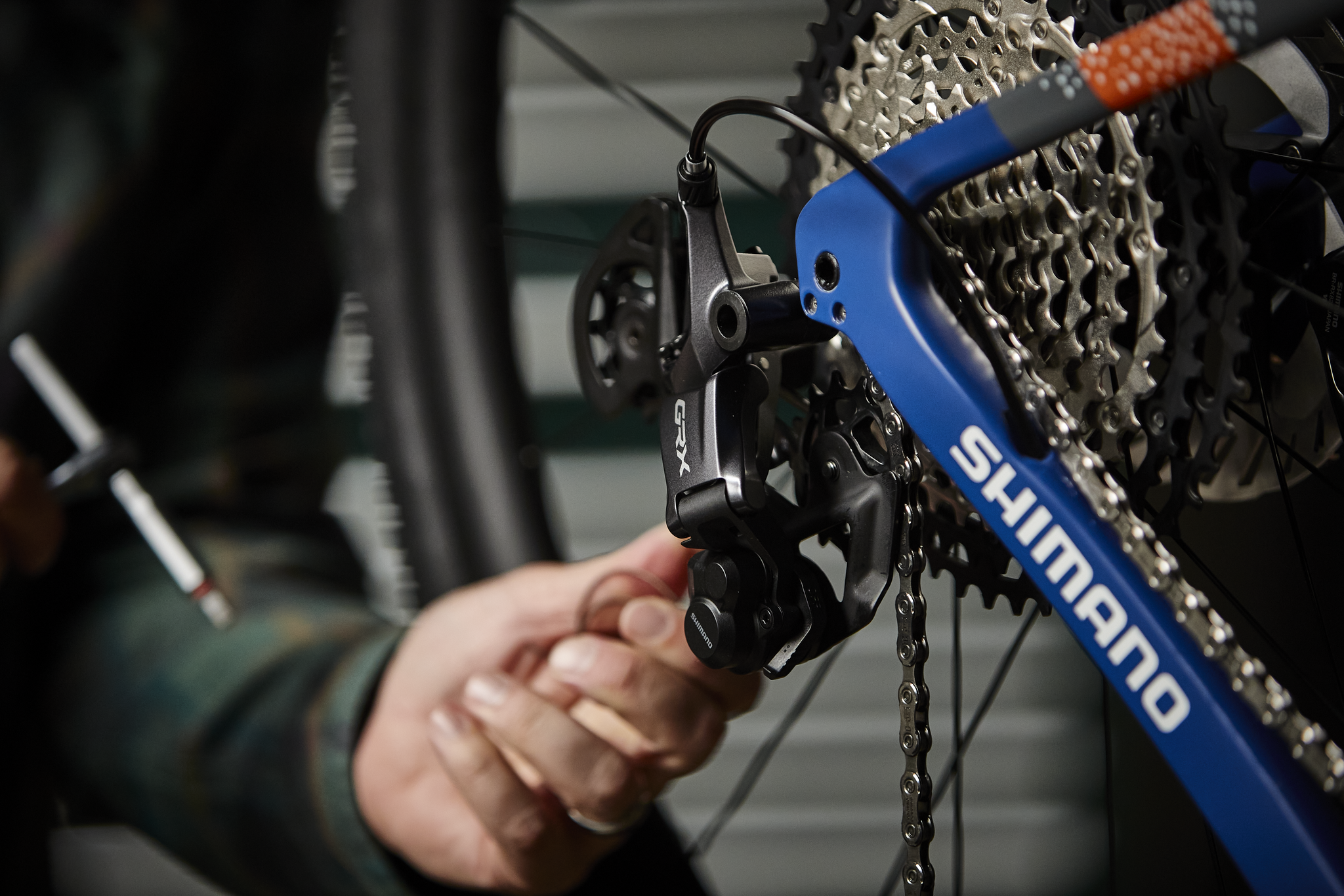
A well-maintained bike performs better, lasts longer, and helps prevent unpleasant surprises when all you want to do is ride.
But how often should you really have your bike serviced? Should you wait until a problem appears before booking an appointment at the shop?
The answer is simple: preventive maintenance is always better than an emergency repair.
Between shop visits, there are also several simple maintenance tasks you can do at home to keep your bike in good working condition.
Basic Maintenance You Can Do at Home
Some maintenance tasks don't necessarily require a visit to the bike shop. With a few products and the right tools, you can perform several checks and basic maintenance tasks yourself.
Cleaning and Lubricating Your Chain
The chain is one of the components that requires the most attention, especially on a bike that is ridden regularly.
How often you should lubricate your chain depends in part on the type of lubricant you use and the conditions you ride in. With a dry lubricant, for example, you can generally plan to reapply it at around 150 km, while adjusting the frequency based on riding conditions.
If you ride in the rain, in very dusty conditions, or after a particularly demanding ride, you may need to lubricate your chain more frequently.
Before applying lubricant, it's important to clean the chain with a degreaser to avoid simply trapping dirt and contaminants in the drivetrain.
A good habit is therefore to regularly check the condition of your chain rather than relying solely on mileage.
Key points:
- Dry lubricant: approximately 150 km as a general guideline;
- Wet, muddy, or dusty conditions: more frequent maintenance;
- Clean the chain with a degreaser before lubricating it;
- Use a lubricant suited to your riding conditions.
What About Bikes with a Belt Drive?
Some bikes, particularly city bikes and certain e-bikes, use a belt drive instead of a chain.
In this case, there is obviously no need to degrease and lubricate a chain. Your mechanic can inspect the condition of your belt during your regular service.
Checking Tire and Suspension Pressure
Before a ride, take a few seconds to check your tire pressure. The right pressure improves comfort, grip, and the bike's handling. Recommended tire pressure varies depending on the type of bike, tire width, your weight, and riding conditions. Use a pressure gauge rather than relying solely on how the tire feels by hand.
On a bike equipped with an air suspension, such as a mountain bike, it is also important to check the pressure in the fork and rear shock. Pressure should be adjusted according to your weight, riding style, and the manufacturer's recommendations. A high-pressure suspension pump is required to make these adjustments. If you're not sure what pressure or settings to use, our team can help you make the proper adjustments.
Checking Tubeless Tire Sealant
If your bike is equipped with a tubeless system, the sealant inside the tire also requires some attention.
Sealant is designed to automatically seal small punctures, but it gradually dries out over time. It is therefore important to check its presence and condition regularly.
Unlike chain maintenance, this isn't necessarily something to prioritize in the fall. Since sealant can dry out during storage, we recommend checking and adding sealant at the beginning of the season, before getting back to regular road or trail riding.
This is something you can easily do at home with the right equipment, or have done during your bike service at the shop.
Signs That Your Bike Needs Attention
Mileage is useful for establishing a maintenance routine, but your bike will often give you signs that it's time for some attention.
Pay attention if you notice:
- shifting that is less precise, slower, or skips when you put pressure on the pedals;
- unusual noises coming from the drivetrain;
- a chain that squeaks, is very dirty, dry, or rusty;
- creaking sounds that weren't there before;
- brakes that rub, squeal, or are less effective;
- play or looseness in the bottom bracket, headset, or wheels;
- reduced suspension performance or unusual suspension behaviour on a mountain bike;
- a tubeless tire that loses pressure more quickly than usual.
Don't wait until a noise or problem keeps you from riding before having your bike checked.
How Often Should You Have Your Bike Serviced by a Mechanic?
Even with regular maintenance at home, periodic inspection by a mechanic is still important.
For most cyclists, having your bike serviced at least once a year is a good starting point. However, the ideal frequency can vary considerably depending on how you use your bike.
A cyclist who rides a few hundred kilometres per year will not have the same maintenance needs as someone who rides several thousand kilometres, uses their bike daily, or regularly rides in rain and mud.
More frequent servicing may be appropriate for:
- cyclists who ride frequently or cover high mileage;
- bikes used on a daily basis;
- mountain bikes used in muddy or wet conditions;
- bikes regularly ridden in the rain;
- e-bikes, which may require software updates and can be subject to significant loads and frequent use;
- bikes that already show signs of wear or unusual noises.
The goal isn't simply to repair what's already broken, but to identify wear and potential problems before they become more serious.
Why Have Your Bike Serviced in the Fall?
Spring is naturally one of the busiest times of year at the bike shop. After several months of storage, many cyclists take their bikes out at the same time and want them ready for the new season.
If your bike is working well at the end of your riding season, fall can therefore be an excellent time to have it serviced.
You finish the season with a clean, inspected bike that is ready to be stored. In the spring, you'll only need to perform the final checks before getting back on the road.
Fall is particularly useful for addressing problems that appeared during the season: a worn drivetrain, brakes that need replacing, bearings that need inspection, cables that need changing, shifting issues, and more.
A Little Maintenance Now Can Prevent a Bigger Repair Later
Preventive maintenance doesn't necessarily mean having your bike completely disassembled several times a year.
It's mostly about developing good habits.
At home during the season:
- Keep your bike clean;
- Clean and lubricate your chain regularly;
- Check the condition and pressure of your tires;
- Regularly check your sealant if you ride tubeless;
- Pay attention to new noises or changes in how your bike feels and performs.
In the fall:
- Have your bike inspected if it is due for service;
- Address any problems before storing your bike;
- Store your bike clean and dry.
In the spring:
- Check your tire pressure;
- Check the sealant level if you ride tubeless and add more if needed;
- Perform a general inspection before your first long ride;
- Have your bike inspected if you noticed a problem during the previous season.
And most importantly, if something feels different, it's better to have your bike checked before the problem gets worse.
At Cycles Dupuis, our service department is here to help you with your bike maintenance, whether you need an inspection, routine service, or a repair.
A well-maintained bike means more time riding and less time wondering why something isn't working the way it should.
Recent articles
View all
Argon 18 Nitrogen Pro: The Return of an Icon, Completely Reinvented

Bike Theft: Why Should You Register Your Bike with Project 529?