Login
Log in if you have an account
Register
By creating an account with our store, you will be able to move through the checkout process faster, store multiple addresses, view and track your orders in your account, and more.
Create an accountHow to Be More Aerodynamic on a Bike Without Breaking the Bank
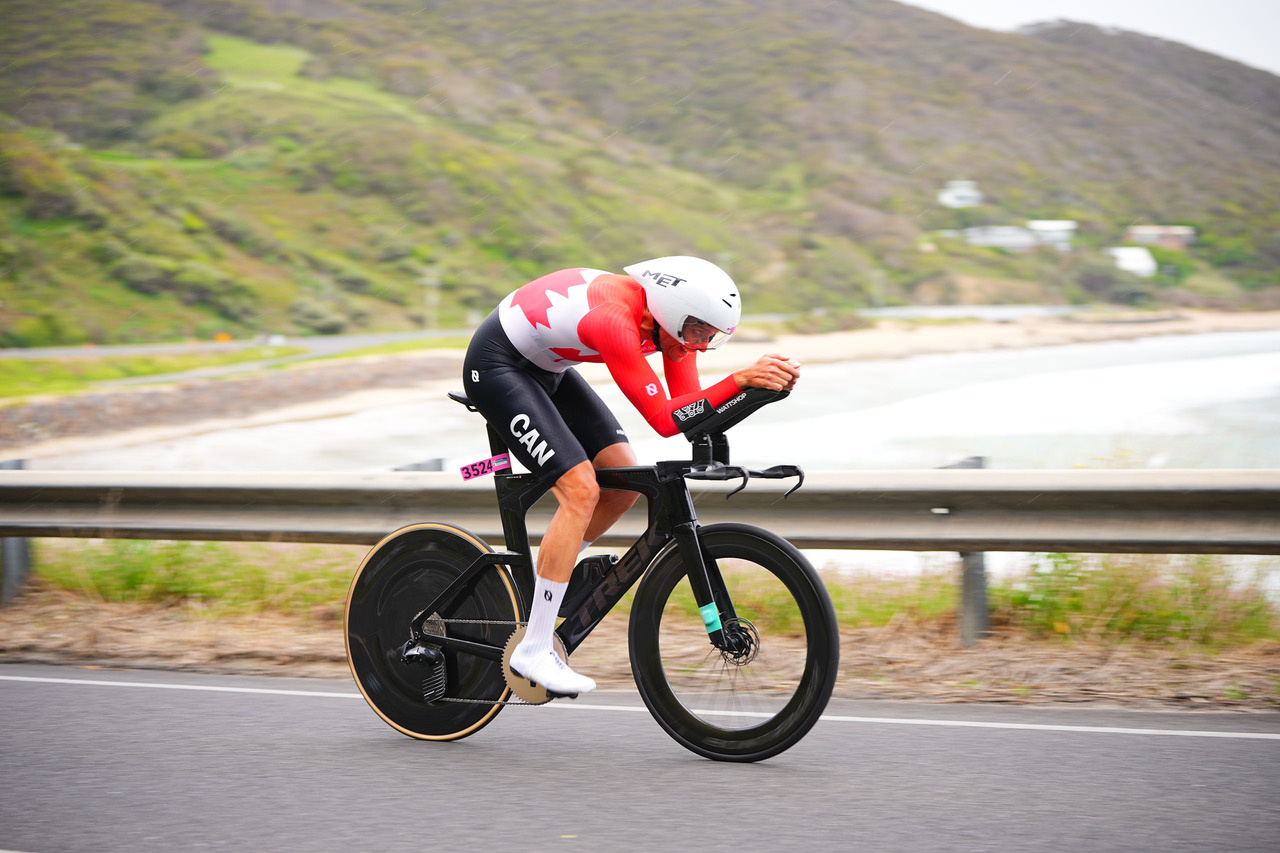
When people think about cycling performance, many immediately picture $3,000 carbon wheels, an ultralight frame, or ceramic bearings. In reality, the biggest aerodynamic gain you can achieve is already on your bike... it's you.
1. Your Position: The Biggest Gain Possible
At higher speeds, approximately 80% of aerodynamic drag comes from the rider. The bike itself accounts for only a small portion of total drag.
The first step to riding faster is therefore to optimize your position. Lowering your torso slightly, reducing your frontal area, and maintaining a compact posture can generate gains far greater than most equipment upgrades.
However, the most aerodynamic position is not always the fastest.
If you lack flexibility or stability, an overly aggressive position may become uncomfortable after only a few minutes, forcing you to sit up. The real goal is to find the balance between:
- Aerodynamics
- Comfort
- Power production
- The ability to maintain the position throughout your entire ride
A professional bike fit remains one of the best performance investments you can make.
2. Aerobars: Huge Gains for a Modest Investment
For road cyclists participating in long rides, endurance events, or time trials, adding aerobars can provide a remarkable performance gain.
By bringing the arms closer together and lowering the upper body, aerobars significantly reduce aerodynamic drag.
However, aerobars are only effective if you can use them comfortably. An overly aggressive setup can quickly eliminate any theoretical gains.
3. Wear Well-Fitted Clothing
Loose clothing creates significant turbulence.
Before considering new wheels or a new frame, make sure that:
- Your bib shorts fit properly.
- Your jersey does not flap or wrinkle excessively.
- Your sleeves fit snugly.
- Your chamois allows you to remain comfortable in an aerodynamic position.
A small tip: a good tailor can often alter existing cycling apparel for a fraction of the cost of buying a new kit.
4. Light-Colored Clothing: An Often Overlooked Advantage
Riding fast also means being able to sustain your power output.
Light-colored clothing absorbs less heat from the sun and can help regulate body temperature on hot days.
Less overheating generally means greater comfort and better performance during long rides.
5. Choosing the Right Helmet
Modern helmets are significantly faster than those available just a few years ago.
For most cyclists, a well-ventilated aerodynamic helmet offers an excellent balance between performance and comfort.
Visor-equipped helmets may also provide certain advantages:
- Reduced turbulence around the face.
- Better integration with eyewear.
- Improved field of vision in certain riding positions.
That said, some aerodynamic helmets with integrated visors or shields may provide less ventilation than more traditional designs. It is important to consider the conditions in which you ride and your tolerance to heat.
Once again, the fastest helmet is the one that works with your position and that you can wear comfortably for the entire duration of your ride or event.
6. Tires: Probably the Best Performance per Dollar
Modern tires have improved dramatically.
A high-performance tire can:
- Reduce rolling resistance.
- Improve comfort.
- Increase grip.
- Reduce fatigue.
More importantly, make sure you are using the correct tire pressure.
Pressure that is too high can reduce comfort and may actually slow you down on imperfect roads.
We recommend using the SILCA or SRAM tire pressure calculators to determine the ideal pressure based on your weight, bike, and riding conditions.
7. Tubeless or Inner Tubes?
Tubeless systems have become the benchmark for many cyclists.
Benefits include:
- Better puncture resistance.
- Lower tire pressures.
- Increased comfort.
- Generally lower rolling resistance.
For riders who prefer to keep using inner tubes, modern TPU tubes offer an excellent balance of performance, weight, and simplicity.
8. Marginal Gains
Once the fundamentals have been optimized, you can begin focusing on the details.
Wheels
Aerodynamic wheels provide real benefits, particularly at speeds above 35 km/h.
Cockpit and Integration
Integrated cockpits, hidden cables, and an optimized riding position help reduce drag.
Overshoes
Popular in the time-trial world, overshoes can provide a few free watts.
Lace-Up Shoes
Laces often create a smoother surface than some closure systems and may slightly improve aerodynamics.
Shaving Your Legs
Yes, it’s true.
In addition to making wound care and massage easier, shaved legs slightly reduce aerodynamic drag. Wind tunnel testing and studies have shown that this is one of the most cost-effective marginal gains available to cyclists.
Bottle Placement
The location of your bottles affects airflow. Some bottle configurations are surprisingly faster than others.
Crankset and Gear Selection
Choosing the right gearing helps maintain an efficient cadence in all riding situations.
9. The Drivetrain: The Cheapest Watts Available
If there is one place where you can gain watts without buying a new bike, it is the drivetrain.
Every watt lost through chain friction is a watt that your legs must produce.
A dirty, contaminated, or poorly lubricated chain can quickly increase mechanical losses. Conversely, a clean and properly maintained drivetrain transfers more of your power directly to the rear wheel.
Modern chain waxing has become the gold standard for performance-focused cyclists.
Compared with many traditional lubricants, wax offers several advantages:
- Lower drivetrain friction.
- A quieter drivetrain.
- Significantly less dirt accumulation.
- Reduced wear on chains, cassettes, and chainrings.
- Cleaner and easier maintenance.
For cyclists preparing for important events, an excellent strategy is to keep a dedicated race-day chain. This chain can be thoroughly cleaned, waxed, and prepared in advance to deliver optimal efficiency when every watt matters.
Many athletes alternate between a training chain and a race chain that is always kept in pristine condition.
10. The Most Expensive Upgrades
Once your position, helmet, clothing, tires, and drivetrain have been optimized, it becomes possible to pursue additional gains through more specialized components.
However, these upgrades should generally be considered only when the budget allows, as their cost-to-benefit ratio is often much lower than the improvements discussed earlier.
Ceramic Bearings
Ceramic bearings can slightly reduce mechanical losses when properly maintained.
The gains are real, but relatively small compared with improvements from a better position or a well-prepared drivetrain.
Optimized Brake Rotors
Brake rotors represent a small surface exposed to the wind and can slightly influence aerodynamics.
Some cyclists choose smaller rotors, such as 140 mm instead of 160 mm, when compatible with their weight, bike, and intended use.
A smaller rotor generally presents less frontal area and may provide a slight aerodynamic advantage.
However, it also offers less braking power and dissipates heat less effectively.
For most cyclists, safety and consistent braking performance remain the priority. The gains do exist, but they are minimal and primarily relevant in competitive settings.
Oversized Pulley Wheels
Oversized pulley systems can slightly reduce friction within the rear derailleur.
They are popular among triathletes and time-trial specialists but often represent a significant investment for a relatively modest gain.
Ultralight Components
Titanium bolts, ultralight bottle cages, minimalist saddles, and other premium components can sometimes save a few grams or fractions of a watt.
These gains become meaningful only when everything else has already been optimized.
In summary, these upgrades do work, but they belong near the bottom of the priority list.
Before investing in ceramic bearings, oversized pulley wheels, or specialized rotors, make sure you have optimized your position, equipment, clothing, and drivetrain.
A good position can easily be worth dozens of watts, while these components often provide gains measured in fractions of a watt.
For most cyclists, they represent refinement rather than transformation.
Conclusion
If your goal is to ride faster, prioritize the following:
- Optimize your position.
- Wear properly fitted clothing.
- Choose good tires and the correct tire pressure.
- Maintain your drivetrain effectively.
- Invest in a quality helmet.
- Add aerobars if they suit your flexibility and riding style.
Only then should you consider wheels, frames, and other marginal gains.
Before spending thousands of dollars on a new bike, make sure you have fully unlocked the potential of the cyclist sitting on top of it.
Recent articles
View all
Why Ride Downhill Without a Chain?

Cycles Dupuis Celebrates Trek's 50th Anniversary in Wisconsin